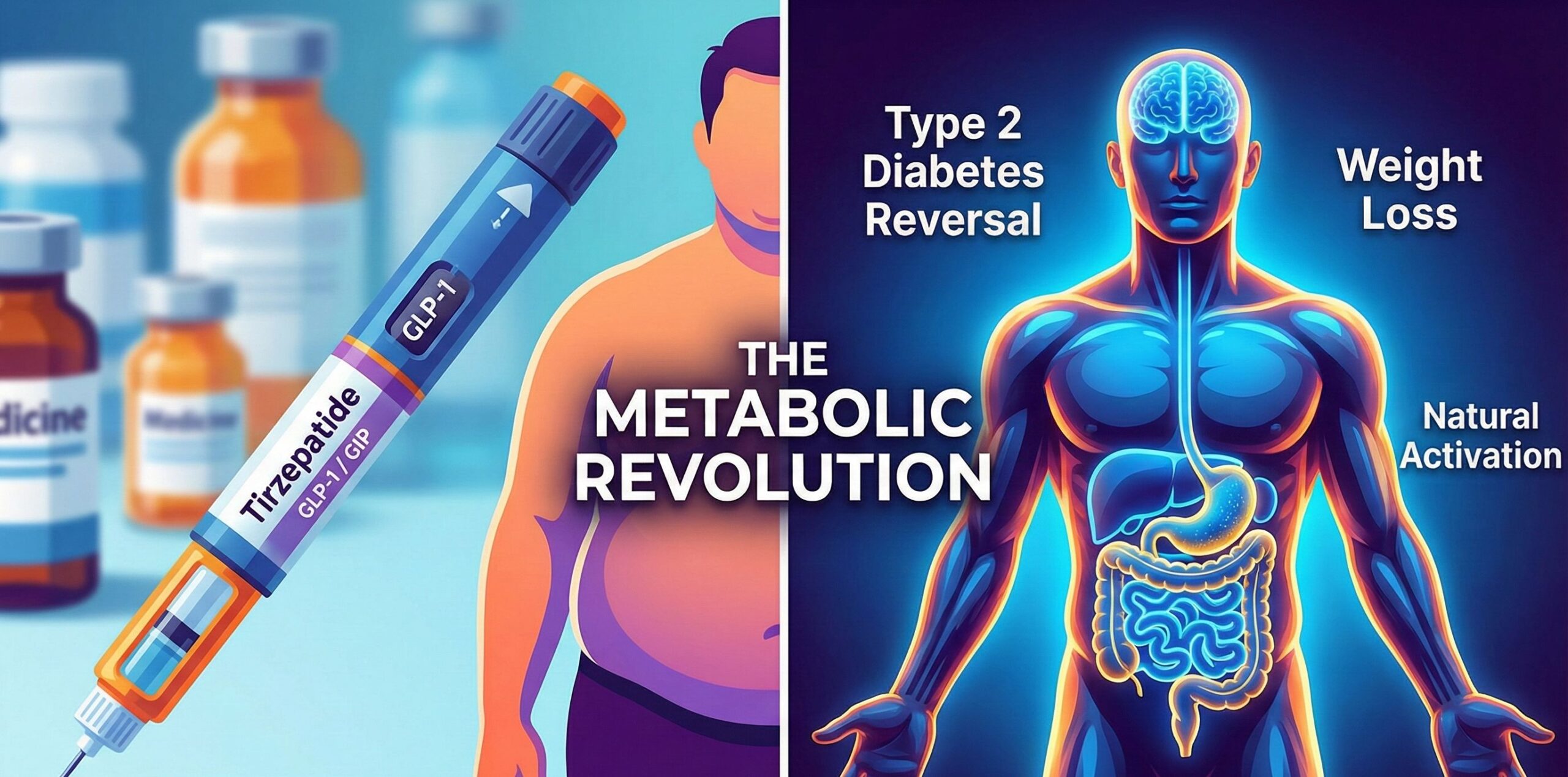
Discover the science behind the Metabolic Triangle GLP-1, GIP, and AMPK. Learn how to activate these powerful hormones naturally to manage Type 2 Diabetes and accelerate weight loss, backed by NIH research.
The Hidden Switches in Your Body Which Boost GLP-1 and AMPK Naturally
Imagine if you had a switch inside your body that, once flipped, would tell your brain, Stop eating, I’m full, while simultaneously ordering your cells to Burn this sugar for energy immediately.
For years, we believed that weight loss and diabetes management were simply about “eating less and moving more.” But new research from the National Institutes of Health (NIH) and top metabolic scientists reveals a different story. It’s not just about willpower, it’s about biology.
The recent explosion of weight-loss drugs like Semaglutide (Ozempic/Wegovy) and Tirzepatide (Mounjaro) has taught us one undeniable fact: Hormones control everything. These drugs work by mimicking natural hormones called GLP-1 and GIP.
But here is the question that Big Pharma doesn’t answer loud enough: Can we activate these hormones naturally without injections?
The answer is a resounding YES.
By understanding the synergy between GLP-1, GIP, and a third crucial player known as AMPK, you can unlock your body’s natural ability to regulate blood sugar and melt visceral fat. This is the science of reclaiming your metabolic health.
Macronutrients explained protein fats and carbs in detail
How to Boost GLP-1 and AMPK Naturally: The Metabolic Triangle
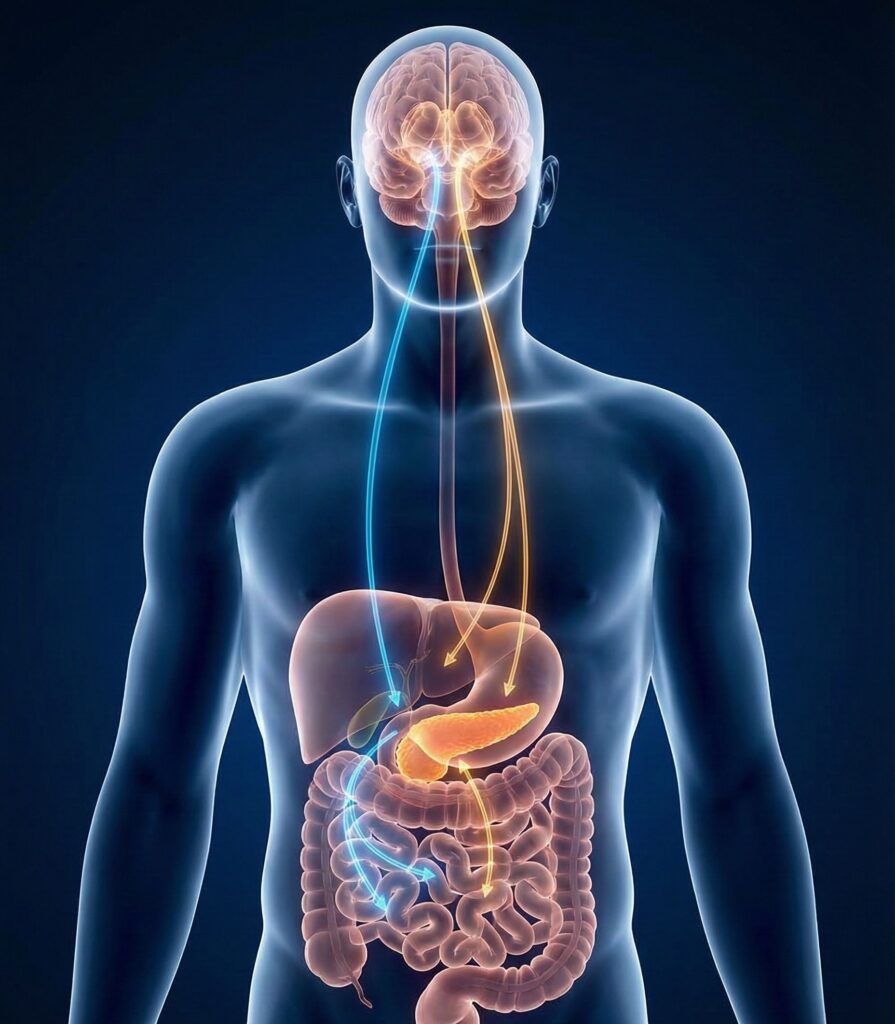
To reverse insulin resistance and Type 2 Diabetes, we need to look beyond just “insulin.” We need to focus on the signaling pathways that tell insulin how to work. Let’s break down the three heroes of this story.
1. GLP-1 (The Satiety Signal)
Scientific Name: Glucagon-like Peptide-1
Think of GLP-1 as your body’s natural brake pedal for appetite. Produced in the L-cells of your gut, GLP-1 is released when you eat specific nutrients.
- What it does: It travels to the brain to signal fullness (satiety) and slows down gastric emptying (keeping food in your stomach longer). Crucially for diabetics, it signals the pancreas to release just the right amount of insulin to handle the meal.
- The Diabetes Connection: In Type 2 Diabetes, the GLP-1 response is often blunted. The signal is weak, so you stay hungry, and your blood sugar spikes.
2. GIP (The Fat Storage Regulator)
Scientific Name: Glucose-dependent Insulinotropic Polypeptide
For a long time, GIP was misunderstood. While it also stimulates insulin secretion (like GLP-1), it has a unique relationship with fat cells.
- The Twincretin Effect: This is where modern science (like the drug Tirzepatide) has changed the game. Research suggests that when GIP acts alone, it might promote fat storage. However, when GIP works in synergy with GLP-1, it actually improves fat burning and insulin sensitivity. It helps the body tolerate glucose better without crashing.
- The Goal: We don’t just want more GIP, we want balanced GIP activation alongside GLP-1 to create a fat-burning environment.
3. AMPK (The Master Metabolic Switch)
Scientific Name: AMP-activated Protein Kinase
If GLP-1 and GIP are the messengers, AMPK is the engine.
- What it does: AMPK acts as an energy sensor in your cells. When your energy levels (ATP) drop like during exercise or fasting AMPK wakes up. It shuts down fat storage pathways and activates fat oxidation (burning) and glucose uptake.
- The “Metformin” Mechanism: The most common diabetes drug, Metformin, works primarily by activating AMPK in the liver. This stops the liver from dumping excess sugar into the blood.
- The Missing Link: Most people with insulin resistance have “sleepy” AMPK. Their bodies are constantly in storage mode.
CLICK HERE TO USE OUR FREE HEALTH RISK CALCULATOR TO KNOW YOUR HEALTH STATS
Why the Combination is Revolutionary for Type 2 Diabetes
Most advice focuses on just one thing: “Cut carbs” or “Intermittent Fasting.” While effective, these strategies work best when we understand the mechanism.
According to studies published in journals archived by the NIH, targeting these three pathways simultaneously creates a virtuous cycle:
- GLP-1 and GIP optimize how your body handles the food you just ate (Postprandial Glucose Control).
- AMPK ensures that the energy entering your cells is burned, not stored as visceral fat.
When you align your diet and lifestyle to trigger all three, you aren’t just dieting. You are essentially performing bio-hacking. You are manually operating the controls that drugs try to hijack.
Eating for Impact: How to Trigger GLP-1 & AMPK Without a Prescription
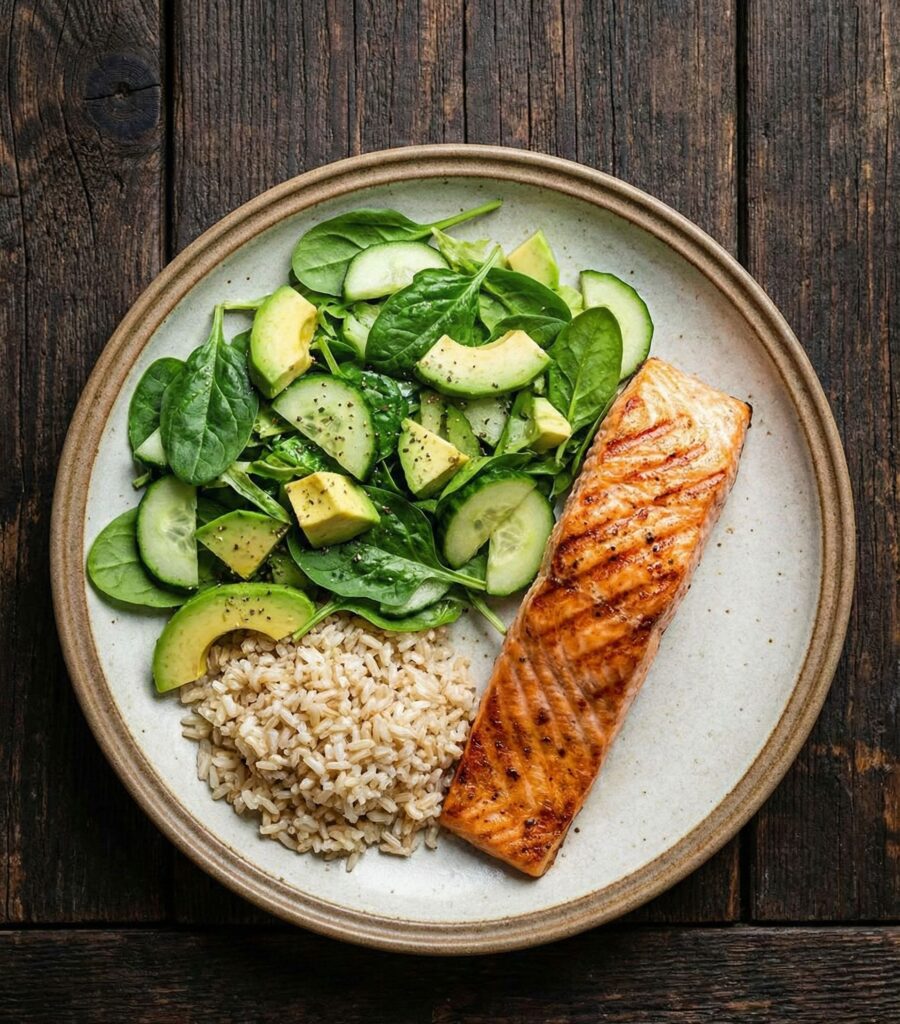
If you think activating GLP-1 and AMPK requires a magic pill or a rare herb found only in the Amazon rainforest, think again. The most powerful metabolic tools are hidden in your kitchen and, more importantly, in how you eat.
Research archived by the National Institutes of Health (NIH) proves that our gut cells (L-cells and K-cells) are incredibly sensitive sensors. They detect not just calories, but the chemical structure and timing of food.
Here is how to structure your diet to manually flip your metabolic switches.
Strategy 1: The Food Order Effect (Nutrient Sequencing)
You have heard of “Calories In, Calories Out.” But when it comes to hormones, Order Matters.
A groundbreaking study published in Diabetes Care demonstrated that when individuals with Type 2 Diabetes consumed protein and vegetables before carbohydrates, their post-meal blood sugar spikes were reduced by 30-40%.
The Science of Sequencing: When you eat Fiber and Protein first (e.g., a salad or grilled chicken):
- Immediate Signal: Nutrients hit the small intestine sooner, triggering an immediate release of GLP-1.
- The Brake: GLP-1 signals the stomach to slow down gastric emptying.
- The Result: By the time you eat your carbohydrates (rice, bread, or potatoes), your system is primed. Insulin is ready, and glucose enters the bloodstream as a slow drip rather than a flood.
Action Plan: Adopt the “Fib-Pro-Carb” rule for every major meal:
- First: Fiber (Green leafy vegetables, salads).
- Second: Protein & Healthy Fats (Eggs, Lentils, Fish, Lean Meat).
- Third: Carbohydrates (Rice, Wheat, Fruits) Always last.
Strategy 2: The “Viscous” Fiber Advantage
Not all fiber is created equal. Viscous Soluble Fiber is the super-fuel for GLP-1. Unlike roughage, this fiber mixes with water to form a thick gel in your gut.
Why It Changes the Game: This gel traps nutrients and slows digestion. More importantly, gut bacteria ferment this fiber to produce Short-Chain Fatty Acids (SCFAs), specifically Butyrate and Propionate. NIH studies confirm that these SCFAs bind directly to receptors on L-cells, stimulating them to pump out more GLP-1.
Top GLP-1 Boosting Fibers:
- Chia Seeds & Flax Seeds: Ideally soaked in water to activate the gel.
- Psyllium Husk: Taken 15 minutes before a meal.
- Oats (Steel-cut) & Barley: Rich in Beta-glucan.
- Legumes: Beans create the Second Meal Effect, keeping blood sugar stable even at the next meal.
Strategy 3: Protein The Twincretin Trigger (GLP-1 & GIP)
Remember GIP? It is only beneficial when balanced with GLP-1. Protein is the macronutrient that stimulates both simultaneously.
Research suggests that Whey Protein and Casein (dairy protein) are particularly effective. This validates the ancient Indian wisdom of having curd (yogurt) or buttermilk with meals.
Best Sources:
- Greek Yogurt: High protein density triggers high satiety.
- Eggs: The choline in yolks supports liver health.
- Fatty Fish: Omega-3s reduce inflammation, helping your hypothalamus hear the satiety signals clearly.
Strategy 4: Activating AMPK (The Natural Metformin)
In Type 2 Diabetes, AMPK is often dormant. Specific functional foods can force this Master Switch to turn on.
- Berberine: Often called Nature’s Metformin. Multiple meta-analyses suggest Berberine is highly effective at activating AMPK and lowering HbA1c. (Consult your doctor before use).
- Vinegar (Acetic Acid): Consuming 1 tablespoon of Apple Cider Vinegar before a meal increases AMPK activity in skeletal muscle, encouraging cells to pull sugar from the blood.
- Polyphenols: Compounds like EGCG (in Green Tea), Oleuropein (in Olive Oil), and Charantin (in Bitter Melon/Karela) are proven metabolic defenders.
The Protocol: Lifestyle Habits That Mimic Metabolic Medicine
Diet is only half the equation. To truly reverse the mechanism of Type 2 Diabetes and sustain weight loss, you must alter the energy demands of your body. This is where we maximize AMPK.
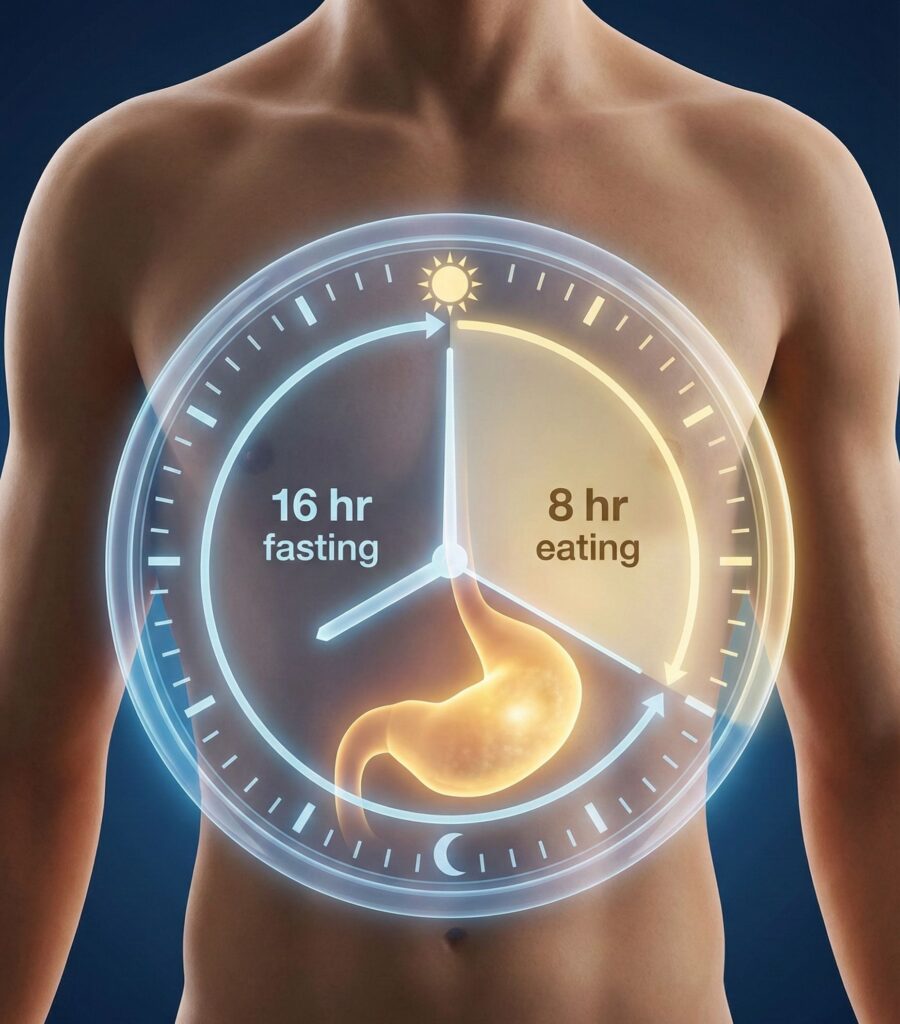
1. Intermittent Fasting: The Ultimate AMPK Activator
If eating triggers insulin, not eating triggers AMPK.
When you fast, your cellular energy (ATP) drops. This energy deficit screams at your body to activate AMPK. Once awake, AMPK inhibits fat storage and forces the body to burn stored visceral fat for fuel.
The Strategy: You don’t need to starve. NIH-cited research on Time-Restricted Eating (TRE) suggests a 14:10 or 16:8 window is sufficient.
- Why it works: It lowers baseline insulin levels, allowing your cells to “resensitize” to the hormone.
- Bonus: Fasting increases the release of growth hormone, which preserves muscle while burning fat.
Exercise as a Drug: The “Myokine” Effect
Muscles are not just for movement they are an endocrine organ. When you contract your muscles intensely, they release signaling proteins called Myokines (specifically Interleukin-6).
Contrary to the inflammation caused by disease, muscle-derived IL-6 is anti-inflammatory and directly stimulates GLP-1 secretion from the gut and improves insulin sensitivity.
The Best Movements for Metabolism:
- HIIT (High-Intensity Interval Training): Short bursts of intense effort followed by rest are superior for activating AMPK compared to long, slow cardio.
- Resistance Training: Building muscle increases your glucose sink. More muscle means more space to store blood sugar safely as glycogen.
- Post-Meal Walking: Walking for just 10 minutes after a meal engages muscles to soak up glucose without needing as much insulin.
- 3. The Sleep-Stress Connection
- You cannot heal a metabolic disease in a high-stress body.
- Cortisol vs. GLP-1: Chronic stress raises Cortisol. Cortisol triggers glucose release from the liver and increases cravings for sugar (opposing the effects of GLP-1).
- Sleep Deprivation: Lack of sleep drops Leptin (satiety) and raises Ghrelin (hunger). It essentially gives you a hormonal hunger that no amount of willpower can fight.
Conclusion: Reclaiming Control
The pharmaceutical revolution of GLP-1 agonists like Semaglutide and Tirzepatide has proven one thing: Biology dictates weight.
However, you possess the machinery to replicate many of these effects naturally. By sequencing your nutrients, prioritizing viscous fiber, utilizing the power of fasting, and moving with intensity, you trigger the GLP-1, GIP, and AMPK triangle.
This is not a quick fix it is a metabolic reset. It is the path to reversing Type 2 Diabetes, shedding visceral fat, and reclaiming a body that works for you, not against you.
Can I really boost GLP-1 naturally without drugs like Ozempic or Mounjaro?
Yes, absolutely. While drugs like Semaglutide and Tirzepatide provide a supraphysiological (very high) dose of these hormones, your body naturally produces GLP-1 and GIP every time you eat. By eating specific foods like viscous soluble fiber (psyllium, chia seeds) and protein, and by following the “Nutrient Sequencing” method (fiber first), you can significantly increase your natural levels to control appetite and blood sugar effectively.
What is the single best food to activate the “Metabolic Switch” (AMPK)?
There isn’t one magic food, but Berberine (a compound found in plants) is often called “Nature’s Metformin” because of its potent ability to activate AMPK. In terms of everyday diet, Apple Cider Vinegar taken before meals and high-polyphenol foods like Green Tea and Bitter Melon (Karela) are the most effective natural activators.
Is it safe to follow this protocol if I am already taking Metformin?
Generally, yes, because this protocol supports the same pathway (AMPK) that Metformin targets. However, because this diet creates a powerful blood-sugar-lowering effect, combining it with medication might cause your sugar to drop too low (hypoglycemia). Always consult your doctor before making drastic dietary changes so they can adjust your dosage if necessary.
How long does it take to see results in Type 2 Diabetes reversal?
Most people notice a difference in satiety (feeling full) within 24 to 48 hours of starting the “Fiber-First” sequencing method. Significant improvements in fasting blood glucose usually occur within 2 to 4 weeks of consistent Intermittent Fasting and AMPK activation. Full metabolic repair takes time and consistency.
What is the difference between GLP-1 and GIP?
Think of them as partners. GLP-1 primarily reduces appetite and slows down digestion (making you feel full). GIP was once thought to store fat, but new science reveals that when GIP is activated alongside GLP-1 (the “Twincretin Effect”), it actually improves how your body burns sugar and fat. This synergy is why dual-agonist treatments (and diets that mimic them) are so effective.
Do I have to do Keto to reverse Diabetes?
No. While Keto works for some, this protocol focuses on Metabolic Flexibility, not just cutting carbs. You can still eat carbohydrates (like rice or oats), but the key is when you eat them (last in the meal) and what you eat them with (fiber and protein). This allows you to enjoy a wider variety of foods while keeping insulin low.