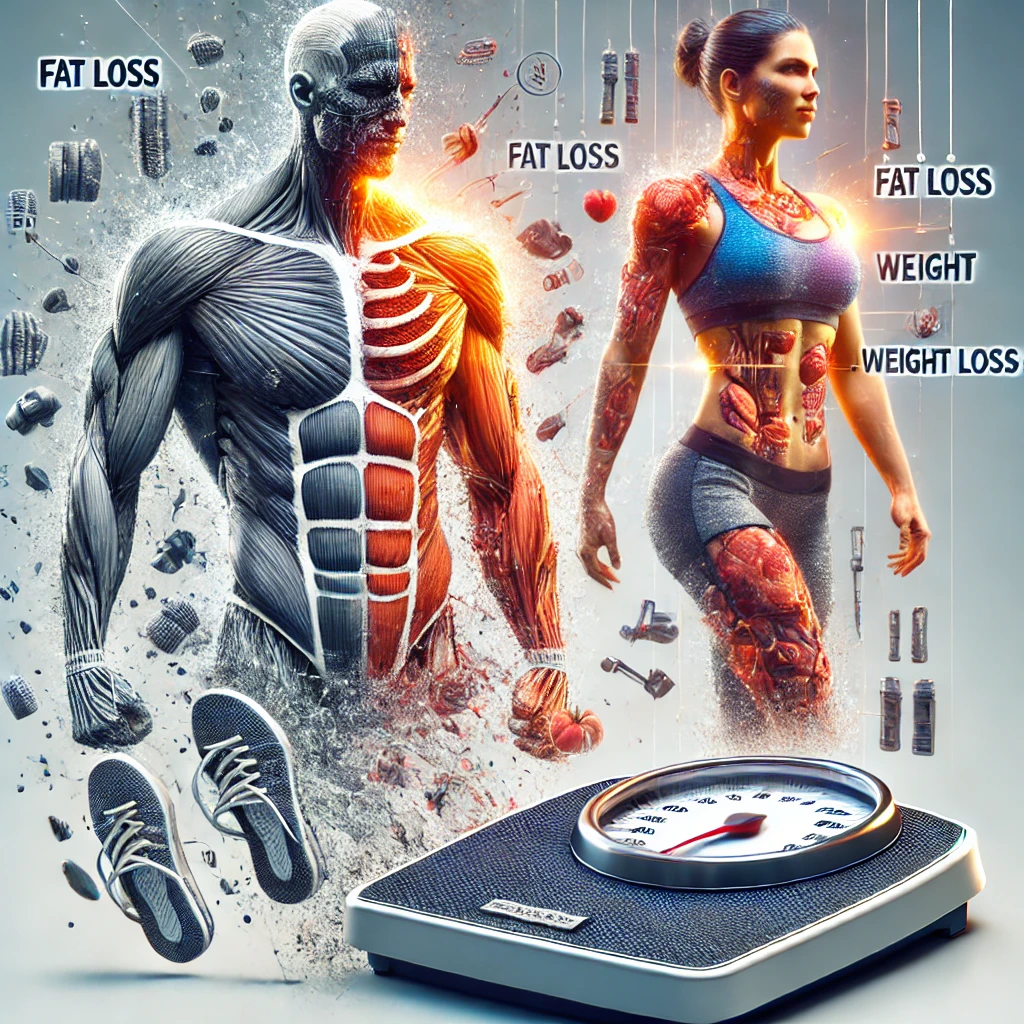
What is Hypertension? The Hidden Truth Behind High Blood Pressure. Blood pressure issues have become a silent epidemic, affecting millions worldwide. From popping daily pills to suffering from long-term side effects, I have seen countless people trapped in this never-ending cycle. I have personally witnessed many of my loved ones struggling from hypertension, relaying medications like Amlodipine, Telmisartan, and metoprolol, yet never escaping from the disease The truth Is, blood pressure problems are not a disease—they are a result of poor lifestyle choices and incorrect nutrition. The pharmaceutical industry might not tell you this, but you can reverse high blood pressure naturally without being dependent on expensive medicines. In this guide, I will show you how to take control of your health and break free from this cycle. What is Blood Pressure? Understanding the Basics. Blood pressure is the force exerted by circulating blood against the walls of your arteries. It is measured in two numbers: A normal reading is 120/80 mmHg, while anything above 130/85 mmHg is considered high. Chronic high blood pressure (hypertension) increases the risk of heart disease, stroke, kidney failure, and vision loss. The Hidden Truth About Hypertension Medications. Most doctors immediately prescribe medications without addressing the root cause. Medications like Amlodipine (calcium channel blocker), Telmisartan (ARB), and Metoprolol (beta-blocker) only manage symptoms—they do not cure the disease. Worse, once you start them, you often need additional medications for side effects like: Read that study from journal of Hypertension Diuretics (e.g., Hydrochlorothiazide) → Causes dehydration & electrolyte imbalance. Cholesterol Drugs (e.g., Atorvastatin) → Often prescribed alongside BP meds. Diabetes Medications → BP meds increase diabetes risk, requiring another prescription. Research: Read this Report from NIH The Dark Truth About Blood pressure. This creates a never-ending dependency on medications, draining your wallet and harming your body. But what if I told you that you can lower blood pressure naturally without these drugs? To know the Difference between Weight loss and Fat loss Click here Top Natural Solutions for Blood Pressure control 1. Adopt a Blood Pressure-Friendly Diet Certain foods naturally relax blood vessels, improve circulation, and balance sodium levels in the body. Here’s what you need to add to your diet: Leafy Greens (Spinach, Kale) – High in potassium, which helps remove excess sodium. Research: A diet rich in vegetables like leafy greens has been shown to lower blood pressure. Bananas – A powerhouse of potassium, great for blood pressure regulation. Research: Potassium-rich foods like bananas can help reduce blood pressure levels. Beetroot – Contains nitrates that widen blood vessels, lowering BP. Research: Beetroot consumption has been linked to blood pressure reduction due to its nitrate content. Garlic – A natural vasodilator that improves circulation. Research: Garlic has been associated with blood pressure-lowering effects. Dark Chocolate (85% Cocoa) – Rich in flavonoids that promote heart health. Research: Flavonoid-rich foods like dark chocolate may contribute to blood pressure reduction. Oats & Whole Grains – Reduce cholesterol and stabilize blood pressure. Research: Whole grains, including oats, have beneficial effects on blood pressure. Yogurt – Probiotic-rich, balances gut health, and improves heart function. Research: Low-fat dairy products like yogurt are recommended in heart-healthy diets. Fatty Fish (Salmon, Mackerel, Tuna) – High in Omega-3s that lower inflammation. Research: Omega-3 fatty acids found in fatty fish are beneficial for heart health. To Know the Dark Truth Of Crash Diet Click Here and Read Full 2. Food to Avoid for High Blood Pressure Processed & Fast Food – High sodium content worsens hypertension. Research: Reducing sodium intake is crucial for managing high blood pressure. Sugary Beverages (Soda, Artificial Juices) – Spikes insulin, increasing BP. Research: Limiting sugar-sweetened beverages is part of a heart-healthy diet. Alcohol & Excess Caffeine – Raises heart rate and constricts blood vessels. Research: Moderating alcohol consumption is recommended for blood pressure management. Red Meat & Processed Meats – Loaded with saturated fat and sodium. Research: Limiting red and processed meats is advised to reduce blood pressure. 3. Best Diet Plans for Blood Pressure Control DASH Diet (Dietary Approaches to Stop Hypertension) – This doctor-recommended diet focuses on low sodium and high potassium foods. Research: The DASH diet has been proven to lower blood pressure effectively. Mediterranean Diet – Includes heart-friendly fats, fiber, and lean proteins, making it a great long-term choice. Research: The Mediterranean diet is associated with cardiovascular health benefit What About Low Blood Pressure (Hypotension) If you have low BP (<90/60 mmHg), you need to consume: Salt-Rich Foods (Rock salt, olives, fermented foods) Note: Consult with a healthcare provider before increasing salt intake. Plenty of Water (Dehydration worsens low BP) Research: Staying hydrated is essential for maintaining blood pressure. Coffee or Tea (Temporary BP booster) Note: Use caffeine cautiously, as it may cause spikes in some individuals. Protein-Rich Foods (Eggs, fish, chicken) Research: Adequate protein intake supports overall health.Avoid prolonged fasting and sudden position changes to prevent dizziness. Supplements & Natural Remidies for Blood Pressure control Omega-3 Fatty Acids – Found in fish oil, improves heart health. Research: Omega-3 supplements have been linked to blood pressure reduction. Magnesium – Helps relax blood vessels, reducing BP. Research: Magnesium supplementation has been shown to support blood pressure regulation. (NIH) Coenzyme Q10 (CoQ10) – Supports heart function and circulation. Research: CoQ10 supplementation has been linked to improved cardiovascular health. (NIH) Potassium Supplements – Helps balance sodium levels. Research: Higher potassium intake is associated with lower blood pressure. (NIH) Garlic Extract – A natural vasodilator. Research: Garlic supplements can lower BP in hypertensive patients. (NIH) Hibiscus Tea – Rich in antioxidants that lower BP. Research: Regular consumption of hibiscus tea has been shown to reduce hypertension. (NIH) Real-Life Story: Breaking Free from Medication Dependency I remember one of my close relatives, Mr. Ankit Singha, a 55-year-old businessman, who had been taking Telmisartan and Amlodipine for over a decade. Every time he visited his doctor, they would add another pill—first for cholesterol, then for diabetes, and finally for kidney issues. He was on a total of six medications daily, yet his